
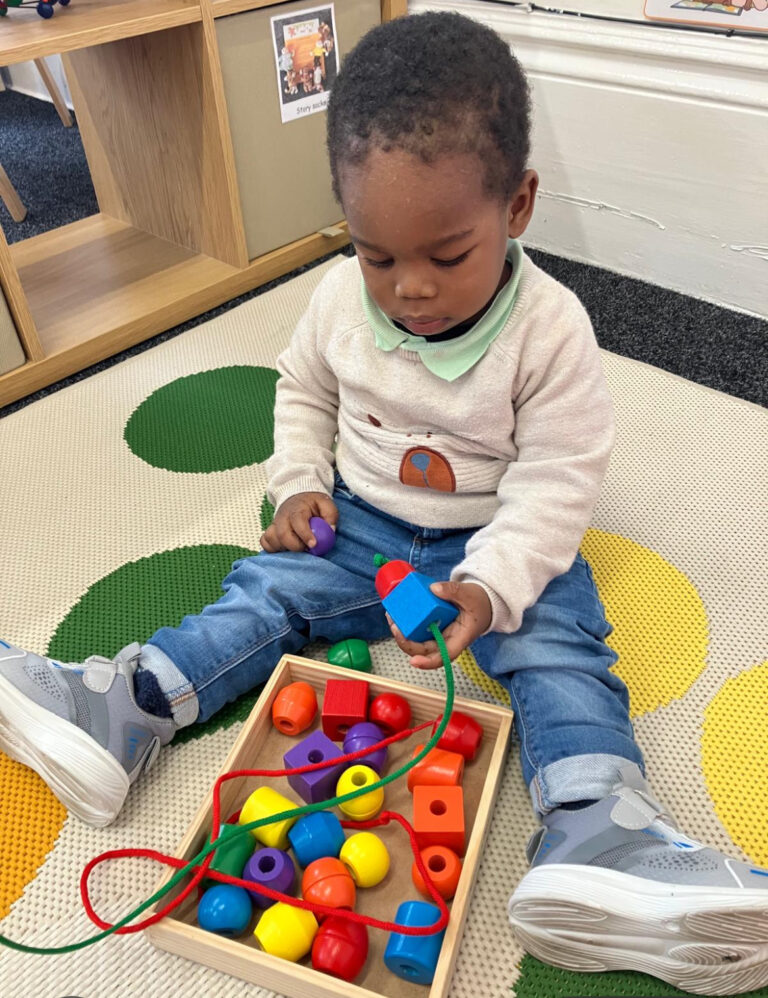
If you’re reading this, you’ve likely felt that heavy tug at your heartstrings when your child clings to your leg or cries at the nursery gate. Maybe they’ve become unusually quiet, or perhaps the morning has turned into an emotional marathon. First, take a deep breath: you aren’t doing anything wrong. That feeling of isolation or exhaustion is something almost every parent goes through. It’s easy to worry that your child is struggling more than others, but an anxious toddler nursery transition is a normal part of growing up.
This guide to helping your toddler settle into nursery in Gosforth is here to walk beside you. We aren’t looking for magic overnight fixes because, let’s be honest, children aren’t robots. Instead, we’re focusing on gentle, practical strategies rooted in real-world nursery experience to help your little one feel safe, secure, and eventually, excited to walk through those doors.
Why Do Some Toddlers Struggle When Starting Nursery?
To us, nursery is a fun place with toys and friends. To a toddler, it’s a massive shift in their universe. At this age, their emotional range is still being developed, and they rely on you to help them regulate.
A child struggling with nursery is usually reacting to the newness of it all. Common factors include:
- The Velcro Phase: A very healthy, strong attachment to you.
- The Great Unknown: Not having much experience being apart yet.
- Sensory Overload: New smells, louder rooms, and unfamiliar faces.
- Life Changes: A new baby at home or a change in your work schedule.
- Time Confusion: Not quite grasping when “after lunch” actually is.
According to the NHS, separation anxiety usually peaks between 18 months and 3 years. It isn’t bad behaviour, it’s a developmental milestone. When we reframe this anxiety as communication rather than resistance, it becomes much easier to handle with patience.
Check out the NHS guidance on separation anxiety for more on these developmental stages.
What does a typical day look like in a baby nursery in Gosforth?
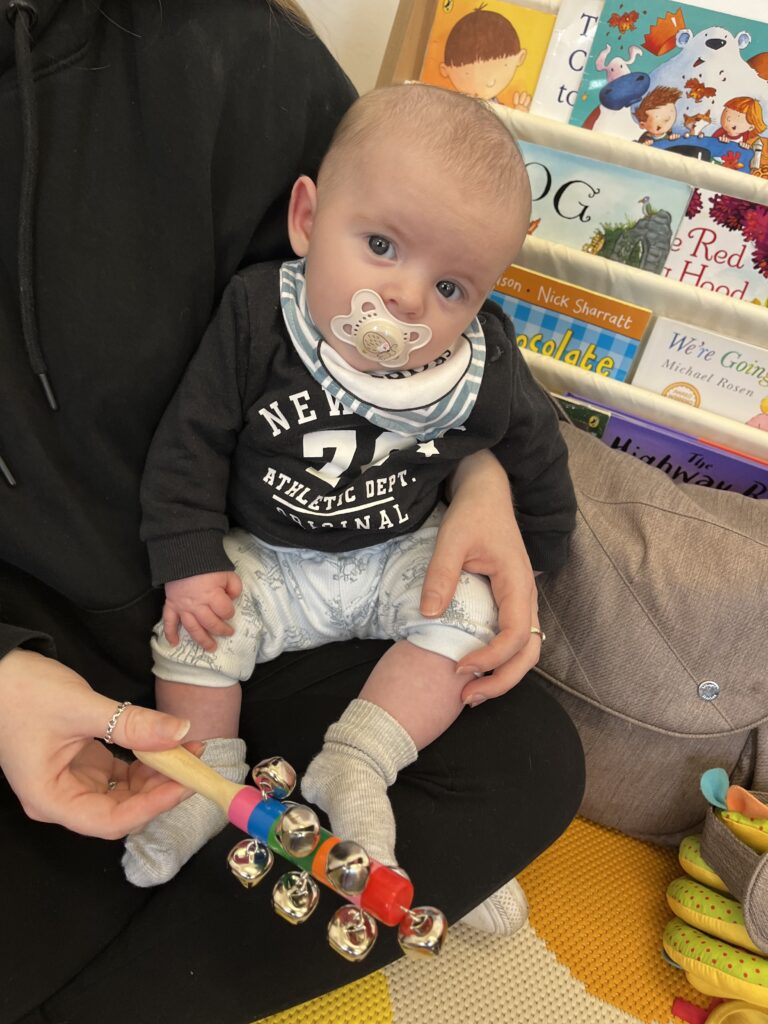
Each baby’s day is structured around their individual routine, not a fixed group schedule. Our practitioners work with you to maintain familiar sleep, feeding, and activity patterns, so your baby’s transition is gentle and responsive.
A typical day might include:
- Personalised welcome and handover with a key worker
- Naps in individual cots in a quiet, darkened room
- Milk feeds or meals, depending on your baby’s needs
- Age-appropriate play and tummy time
- Outdoor walks in the fresh air
- One-to-one attention, songs, stories, and cuddles
In our Lilies Room, we follow each baby’s natural rhythm. We also use a secure parent app to share photos and updates throughout the day.

Nursery Drop-Off Anxiety Normal?
In a word: Absolutely. Nursery drop-off anxiety is the number one topic of conversation in staff rooms and at school gates alike.
Toddlers live entirely in the now. When you leave, they don’t have a mental clock telling them it’s only for a few hours. Early years frameworks like the EYFS are built specifically to bridge this gap, using predictable routines to help children realise that goodbye is always followed by hello.
Will nursery affect bonding or attachment with parents?
This is a common and understandable concern. Research shows that secure attachments can be formed with multiple caregivers, including nursery staff, when care is consistent and responsive.
Our team works closely with families to ensure your baby’s time in nursery complements, not replaces, the bond you already have.
How Can Parents Support an Anxious Toddler Before Nursery Starts?
Preparation is like a warm-up before a race. It won’t remove the effort, but it makes the start a lot smoother.
Talk About Nursery in Simple, Positive Language
Keep it light! You don’t need a big Parental Summit meeting. Just sprinkle it into conversation:
- “You’re going to see the big red blocks today!”
- “Your teacher, Sarah, is so excited to see you.”
- “I’ll be back to get you right after your afternoon snack.”
Practise Short Separations
Think of this as small separations. Try leaving them with a grandparent or friend for 20 minutes while you run an errand. Coming back with a smile proves to them that you always return.
What Helps on the First Few Days at Nursery?
The goal for the first week isn’t for them to be independent; it’s for them to feel safe.

Keep Drop-Offs Calm and Predictable
We know it’s hard when your heart is breaking, but try to keep the goodbye short. A long, lingering exit can actually make a child feel more unsettled.
- The Routine: A kiss, a high-five, and the same phrase every day: “I love you, have fun, and I’ll see you after tea!”
- The Hand-off: Physically handing your child to a staff member creates a clear transfer of care.
- The Exit: Once you say goodbye, head out. If you cry, try to wait until you’re in the car! (We’ve all been there).
Trust the Nursery Team
Our nursery practitioners in Gosforth have seen a thousand tears and given ten thousand hugs. They are experts at distraction and comfort. Trusting them helps your child feel that this new person is a safe harbor.
How Long Does It Take for Toddlers to Settle at Nursery?
There is no timer for this. Some children are social butterflies from day one; others need a few weeks of observing from the sidelines. Helping toddlers settle at nursery is a journey, not a race. You might even see a setback after a long weekend or a cold, that’s totally normal.
What Can Parents Do at Home to Support Settling?
Keep Routines Consistent
When the “outside” world feels big and new, keep the “inside” world (home) as predictable as possible. Early dinner times and familiar bedtime stories act like an emotional anchor.
Acknowledge Feelings Without Trying to Fix Them
If they say they missed you, instead of saying “Don’t be sad!”, try: “I missed you too. I’m so glad we’re back together now.” It lets them know their feelings are valid and safe.
When Should Parents Be Concerned?
While tears are normal, your gut instinct matters. Chat with your nursery team if:
- The intense distress doesn’t ease up at all after 3–4 weeks.
- They seem inconsolable for the entire duration of the session.
- Their personality seems dulled even when they’ve been home for hours.
How Our Nursery Supports Anxious Toddlers in Gosforth
We don’t just watch your child; we actively build a support system around them through:
- Key Person Systems: One specific adult who becomes their nursery guardian.
- Stay-and-Play Sessions: Letting them explore with you nearby.
- Visual Timetables: Showing them what happens next so the day feels predictable.
See how we can Help Your Anxious Toddler Settle into Nursery in Gosforth
If the mornings are feeling heavy and you just need a friendly ear to talk through a plan, we’re here. Sometimes a quick chat can turn a stressful morning into a confident one.